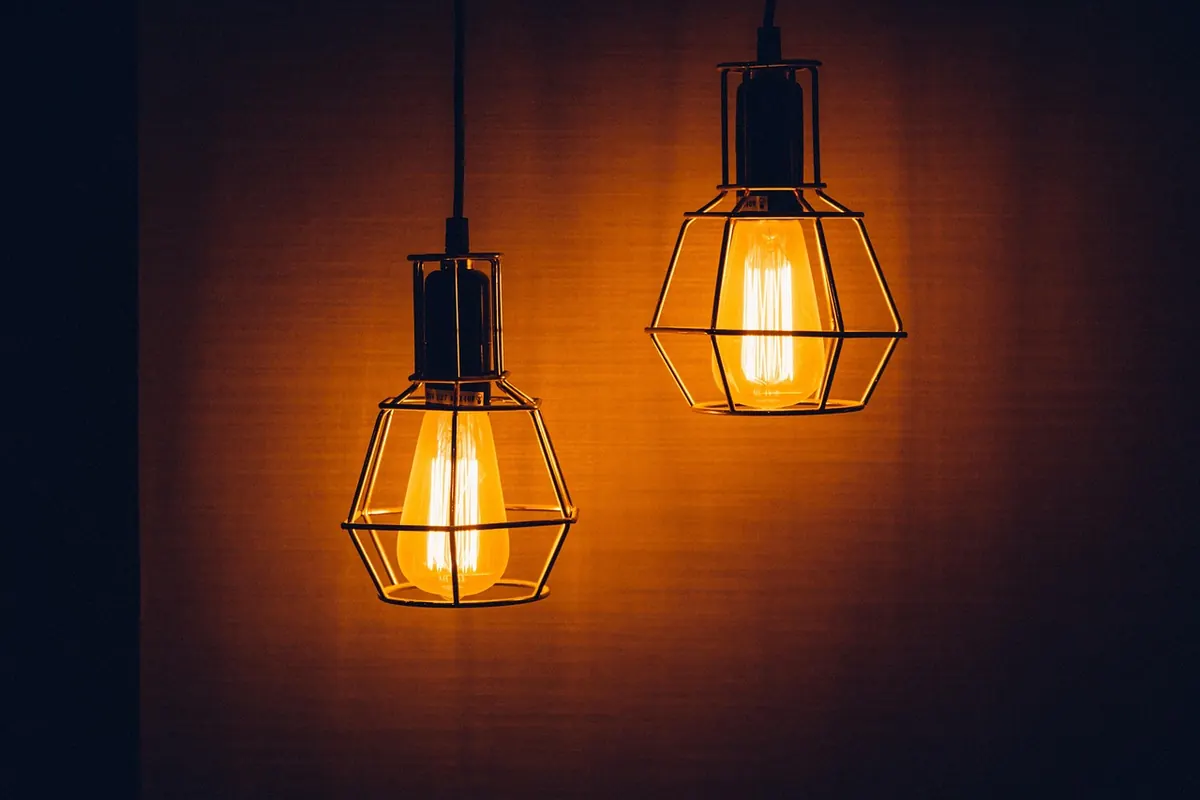


Bonfire Night Lantern Safety: A Checklist for UK Families
Bonfire Night is one of the few evenings in the British calendar when the garden truly comes into its own. Dark by half past four, coats zipped up, sparklers fizzing, something warm in a mug. Lanterns belong in that picture — along the path, on the table, by the back door. They also combine flame, glass and paper with a garden full of excited children. A few decisions made in daylight make the whole evening easier.
Not every lantern suits every garden, every child or every forecast. The safest lantern is the one chosen for the conditions, placed where it cannot be knocked, and checked before the first match is struck. Think of this as a family safety briefing: short, practical and best done while the sun is still up.
Start with the right lantern
Not every lantern suits a Bonfire Night garden. Traditional candle lanterns with paper panels look beautiful, but they need calm weather, a stable surface and constant supervision. Glass hurricane lanterns are heavier and more wind-resistant, though they can still become dangerously hot. Battery or LED lanterns are the simplest choice for families with young children, pets or a busy garden, because they give the same warm glow without an open flame.
If you are using candles, choose an enclosed lantern with a sturdy base, a secure catch and a handle that is not loose. Check for cracked glass, rust, bent metal or a wick that is too close to the sides. A lantern that wobbles on the table is not a lantern; it is an accident waiting for a gust of wind.
Candle or LED? Choose by age and setting
For children under five, use LED lanterns only. For older children, a candle lantern can be part of the evening’s atmosphere, but it should be a look-don’t-touch object. If you want the flicker of real flame, place candle lanterns on a high shelf, a wall bracket or a stable outdoor table that is out of the main walking route. Battery tea lights inside jam jars can be a good compromise: the jar looks traditional, but there is no flame to blow out or knock over.
- LED lanterns: best for paths, tents, children’s dens and anywhere pets might brush past.
- Enclosed candle lanterns: good for table centres and sheltered doorsteps, but never for carrying around.
- Open tea-light holders: avoid on windy nights and keep well away from costumes, paper and dry leaves.
- Paper or homemade lanterns: charming for a still, supervised display, but risky near sparklers, bonfires and wagging tails.
Place lanterns with a plan
Position matters more than most people expect. A lantern that looks lovely on the patio can become a trip hazard once the garden fills with children in wellies. Keep lanterns out of the main walking line, away from the edges of steps and clear of doorways. Never place a candle lantern on a tablecloth that could be pulled, or beside curtains, recycling bags, wheelie bins or a dry fence.
Think about heat, too. A candle lantern can scorch a wooden table, melt a plastic tablecloth or crack if it is moved while hot. Give every lantern a non-flammable base, such as a slate, a stone paver or a metal tray. Keep them away from the bonfire, the firework launch area and anywhere children will be running with sparklers. A simple rule works well: if a lantern is within arm’s reach of a running child, it is too close.
A simple lantern map
Before dark, walk the route your family will use from the back door to the seating area. Decide where each lantern will go and what job it is doing. Path lights should mark the way without sitting in the way. Table lanterns should light faces, not block plates. Door lanterns should welcome guests without making the doorway cramped.
- Route: use LED stake lights or battery lanterns along the edge of the path.
- Gathering point: place one or two enclosed lanterns on a stable table, away from the edge.
- Doorway: use a wall-mounted or hanging battery lantern so no one has to step around it.
- No-go zone: keep all lanterns well clear of the bonfire, fireworks, sparkler bucket and pet beds.
Lighting and extinguishing safely
Lighting a lantern should take seconds, not a performance. Use a long match or a taper rather than bending over an open flame. Tie back long hair, remove loose scarves and avoid dangling sleeves. Light one lantern at a time, then step back. Never lean over a lantern to check whether it has caught; look from the side.
Once a candle lantern is lit, do not move it. If it must be moved, extinguish the flame first and wait for the glass to cool. To put it out, use a candle snuffer, a metal lid or a damp cloth placed carefully over the opening. Do not blow hard across a hot lantern, and do not pour water into hot glass, which can shatter. Keep matches, lighters and spare candles in a sealed box well above child height.
A checklist for the week before
Most lantern accidents are prevented long before Bonfire Night. Use the week before to check your kit, the weather forecast and your family’s plan.
- Check the forecast: if high winds or heavy rain are due, switch to battery lanterns and secure anything lightweight.
- Test every lantern: replace batteries, trim candle wicks, and remove cracked glass or damaged paper panels.
- Buy safely: choose lanterns marked for outdoor use and check for sharp edges or unstable bases.
- Plan the no-go zone: decide where the bonfire, fireworks and sparkler area will be, then keep lanterns outside it.
- Brief the children: explain which lanterns are for looking at and which they may switch on and off.
- Prepare the pets: keep animals indoors, close cat flaps and give nervous dogs a quiet room away from bangs and flickering flames.
A checklist for the evening itself
On the night, slow down for five minutes before you strike a match. A quick family check is better than a rushed rescue.
- Clear the ground: move toys, footballs, hoses and anything that could trip someone carrying a lantern.
- Dress for safety: avoid trailing costumes, nylon fancy dress and long scarves near flames.
- Light one at a time: keep children at a safe distance and never pass a lit lantern from hand to hand.
- Keep water or sand nearby: use it for the bonfire, not for hot glass; keep a damp cloth for smothering small flames.
- Watch the wind: if a lantern flickers or the flame bends sideways, move it or extinguish it.
- Do a final count: before bed, check every candle is out and every battery lantern is switched off.
Keeping children involved without taking risks
Children love lanterns because they feel grown-up and useful. Give them safe jobs: switching on LED lanterns, placing battery tea lights into jam jars, carrying unlit paper lanterns to the table, or drawing a lantern map for the garden. Let them choose colours, ribbons or safe battery lights. The aim is to satisfy the urge to help without putting flame in small hands.
If a lantern is too hot to touch, it is too hot for a child to carry.
Keep sparklers and lanterns in separate spaces. Sparklers burn extremely hot and can set light to paper, fabric and dry leaves. Give children gloves, show them how to hold a sparkler at arm’s length, and have a bucket of water ready for spent sparklers. Never let a child run while holding one, and never hand a lit sparkler to a child under five.
Photo: Chris Luengas / Pexels